
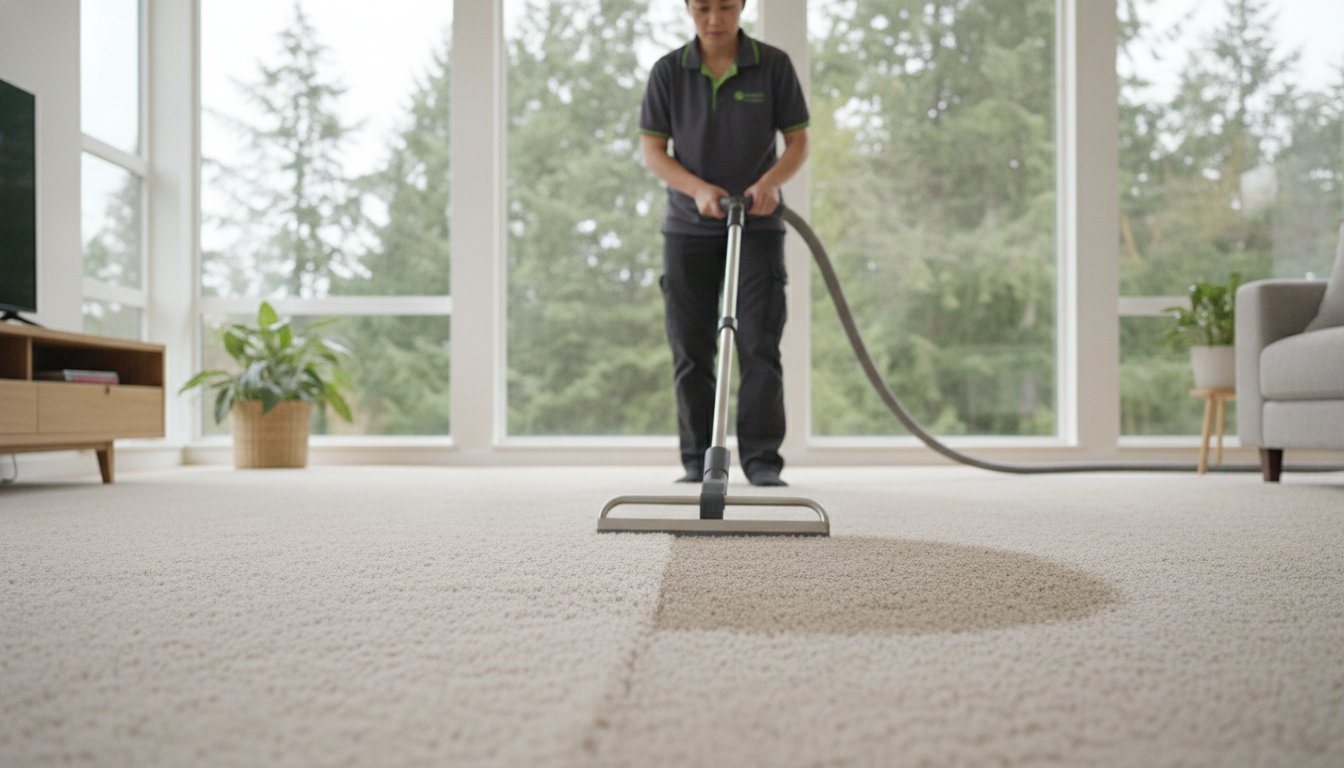
What if that stubborn brown spot in the middle of your living room isn't actually a new mess, but a ghost from the past? Many Seattle homeowners experience the deep frustration of scrubbing a spill until it vanishes, only to watch it slowly resurface as the fibers dry. This phenomenon is known as wicking, and it often makes you feel like your cleaning efforts are a total waste of time. You've likely spent money on grocery store rentals or harsh chemicals, yet the embarrassment of a dirty looking carpet remains despite your best efforts.
We understand how discouraging it is to work hard on your home only to have the same spots return. It's not a cleaning failure; it's a matter of physics that requires a specialized approach. In this article, you'll learn the science behind these recurring stains and discover the professional secrets to achieving a deep, permanent clean. We'll explore why moisture control is vital for our Pacific Northwest climate and how the right technical methods can restore your materials safely. By the end, you'll have the confidence to choose a solution that protects your family's health and keeps your floors spotless for good.
Key Takeaways
- Understand the physics of capillary action and how it pulls deep-seated soil to the surface of your carpet fibers during the drying process.
- Learn why over-wetting from DIY rental machines is the primary cause of wicking and recurring stains in Seattle homes.
- Discover how professional low-moisture techniques and high-temperature rinsing break the soil bonds that standard cleaning methods miss.
- Gain peace of mind by choosing specialized, health-conscious cleaning solutions that provide a permanent, spotless result for your living space.
What is Wicking? The Science of Recurring Carpet Stains
Carpet wicking is a physical phenomenon where evaporated moisture carries dissolved soil to the visible surface. This process involves the upward migration of deep-seated soil through carpet fibers as they dry. It often explains why a stain you thought was gone suddenly reappears 24 to 48 hours after a cleaning. This movement relies on Capillary action, a mechanism where moisture trapped in the carpet backing travels to the tips of the fibers, much like a candle wick pulls wax to the flame.
It is helpful to distinguish this from resoiling. While wicking is a bottom-up problem caused by old spills trapped deep in the fibers, resoiling is a top-down issue. Resoiling happens when sticky detergent residue is left behind, which acts like a magnet for new dirt from shoes and pets. Understanding this difference is the first step toward a permanent solution for your floors.
To better understand this concept, watch this helpful video:
The 'Iceberg Effect' in Your Carpet
Most homeowners only see the tip of the iceberg. What appears as a small spot on the surface is often only 10% of the actual spill. When a liquid is dropped, it doesn't just sit on the fibers; it sinks into the carpet backing and the pad underneath. This creates a hidden reservoir of soil. When you apply water to clean the surface, you inadvertently re-moisten that reservoir, providing the vehicle needed for the dirt to climb back up to the surface.
Why Wicking is Common in Seattle and Bellevue
Our unique Pacific Northwest climate makes local homes particularly susceptible to these recurring spots. The high humidity levels in the Seattle-wa area significantly extend indoor drying times. When a carpet remains damp for a long period, it provides more time for capillary action to take place. Without professional-grade extraction and moisture management, the damp air keeps the "wicking" cycle active, leading to the return of those frustrating stains.
Common Causes and How to Identify Carpet Wicking
Over-wetting during a DIY project is the most common way homeowners accidentally trigger wicking. When you use a rental machine, it's easy to saturate the fibers. Because capillary action is important for moving water, that excess moisture travels deep into the backing and dissolves old spills. As the water evaporates, it acts like a conveyor belt, bringing that dissolved soil straight to the surface. High-alkaline residues from grocery store soaps also play a role. These chemicals leave a sticky bridge that allows soil to migrate more easily through the fibers.
The timing is a major clue. Wicking doesn't happen while you are cleaning. Instead, it typically appears 24 to 72 hours after the carpet is "clean" and supposedly dry. If you wake up two days after a deep scrub only to see the same spot staring back at you, physics is at work. If you're tired of seeing the same spots return, our residential carpet cleaning experts can help you break the cycle.
DIY vs. Professional Extraction
The core difference between a portable rental and our truck-mounted steam extraction is power. Rental machines often lack the vacuum strength to pull moisture from the deep padding. In our humid Pacific Northwest air, that leftover water sits far too long. Effective moisture extraction is actually more important than the washing phase itself. You can learn more about why equipment matters in our Professional Carpet Cleaning in Seattle: The Ultimate Guide.
Signs Your Stain is Wicking (And Not Just Dirty)
Identifying a "Ghost Stain" is fairly simple. It will look exactly like the old spot in the same location, even if you were certain you scrubbed it away. You can also perform a texture check. While a fresh spill might feel damp or sticky, a spot caused by wicking often leaves the very tips of the carpet fibers feeling slightly stiff or crunchy. This is caused by the concentrated soil and soap residue drying at the top of the fiber.

How to Fix and Prevent Wicking: Professional Solutions
Solving a recurring stain requires more than just a surface scrub. Professional solutions focus on stopping the wicking process before it can start. We often utilize a low-moisture approach for high-risk areas, using specialized encasement or dry cleaning techniques that trap soil in a crystal polymer. This strategy limits the moisture available for the ascension of liquids through slim tube structures within your carpet fibers. We also use high-temperature rinsing to break down the oily bonds that hold dirt in place, followed by industrial air movers to flash dry the carpet surface.
Once the carpet is clean and dry, applying a Scotchgard Carpet Protector is an excellent preventative step. This treatment creates a barrier that prevents soil from bonding to the fibers, making future spills much easier to remove before they sink into the backing. By combining technical precision with high-performance equipment, we ensure your floors stay beautiful long after we leave.
Immediate Steps for Homeowners After a Spill
When a spill happens, follow the "Blot, Don't Scrub" rule. Scrubbing is the fastest way to push contaminants deep into the carpet pad. Instead, use the "sandwich" method: place a thick stack of clean white towels over the damp area and weigh them down with a heavy object like a gallon of water. This pressure draws deep moisture upward into the towels. You should also avoid supermarket spot cleaners. These products often leave behind high-pH residues that actually attract more dirt over time.
Why Anderson’s 25 Years of Experience Matters
We've spent over two decades refining our specialized cleaning process for Redmond-wa homes. Our team uses non-toxic, eco-friendly solutions to safely break down organic matter while protecting your family's health. We're committed to removing the allergens and deep-seated pollutants that wicking can bring to the surface. For more tips on keeping your living space safe and fresh, see our guide on Eco-Friendly Upholstery Cleaning in Redmond.
Enjoy a Cleaner, Healthier Home Without the Stress of Recurring Stains
Understanding that recurring spots are a result of physics, not your cleaning effort, brings a much-needed sense of peace. You now know how to identify the "ghost stains" caused by wicking and why moisture management is the secret to a permanent fix. By choosing specialized extraction over high-alkaline DIY methods, you protect your carpet's lifespan and your family's health.
As a woman-owned and family-operated business with over 25 years serving the Greater Seattle area, we take pride in restoring the comfort of your living space. We use eco-friendly, pet-safe solutions that ensure a deep clean without leaving harsh residues behind. Stop recurring stains today with a professional carpet cleaning quote from Anderson. You don't have to settle for carpets that look dirty despite your hard work; we're here to help you achieve the spotless, fresh results your home deserves.
Frequently Asked Questions
Is carpet wicking the same as a permanent stain?
No, wicking is not a permanent stain, though it certainly looks like one. A permanent stain occurs when a substance chemically alters the color of the carpet fibers. In contrast, wicking is simply the movement of old, trapped soil from the backing to the surface. Because the dirt is physically present rather than a chemical change, it can usually be removed with the correct professional moisture management and extraction techniques.
How long does it take for wicking to show up after cleaning?
You will typically see wicking appear between 24 and 72 hours after the carpet has been cleaned. This delay happens because the soil only travels to the surface as the moisture evaporates. In our humid Seattle climate, drying can take longer, which sometimes extends this window. If a spot returns after the third day, it is more likely a new spill or a case of resoiling from sticky residue.
Can I use a hair dryer to stop wicking from happening?
Using a hair dryer is generally ineffective and could potentially damage your carpet fibers with excessive heat. While fast drying is the goal, a hair dryer only targets a tiny area and doesn't provide the high-volume airflow needed for the entire sub-floor. It's much better to use large floor fans or professional air movers to circulate air across the whole room, which helps the moisture evaporate evenly before soil can migrate upward.
Will professional steam cleaning make wicking worse?
Professional steam cleaning won't make the problem worse if the technician uses high-powered, truck-mounted extraction equipment. The danger lies in DIY machines that leave too much water behind, which acts as a vehicle for deep-seated dirt. A seasoned specialist understands how to balance heat and vacuum pressure to remove the moisture completely. This process ensures that the soil is extracted from the backing rather than just being pulled to the surface.


